
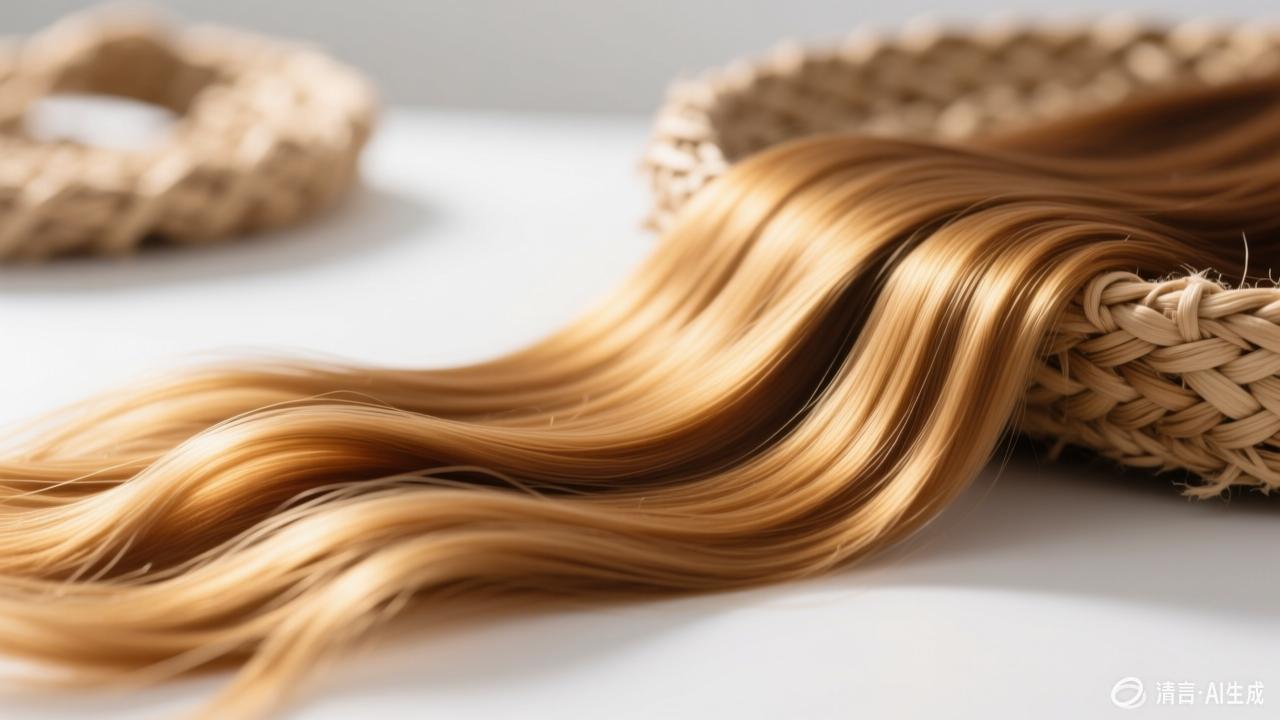
Ethical Hair Sourcing: Why Quality and Transparency Matter in Human Hair Extensions
The global hair extension market is projected to reach over $13 billion by 2026. But behind the glossy marketing and Instagram-worthy transformations lies a complex supply chain where not all hair is created equal — or sourced equally. Understanding where your hair extensions come from and how they're processed isn't just about quality. It's about ethics, transparency, and getting what you pay for.
The Problem with the Hair Extension Industry
The hair extension industry has long struggled with transparency. Hair labeled as "100% human hair" can range from premium virgin Remy hair ethically collected from willing donors to low-grade shed hair swept off salon floors, chemically stripped, and coated in silicone to look shiny and healthy — until the first wash.
Common issues in the unregulated hair extension market include:
- Unclear sourcing — hair mixed from unknown origins
- Misleading labels — "Remy" used loosely without verification
- Chemical processing — harsh acid baths to strip cuticles, silicone coatings to fake shine
- Short lifespan — low-grade hair that tangles and mats within weeks
- Unethical collection — hair obtained without proper consent or fair compensation
What Does "Ethical Hair Sourcing" Actually Mean?
Ethical hair sourcing means that at every step of the supply chain — from the donor to the factory to the consumer — the process is transparent, fair, and respectful.
The Three Pillars of Ethical Hair Sourcing
#### 1. Ethical Collection
Hair must be willingly donated or sold by consenting adults who are fairly compensated. Common ethical collection methods include:
- Temple hair donations — In regions like India, hair is traditionally donated at temples as a religious offering. Ethical suppliers work with temple authorities to ensure donations are voluntary and proceeds support community programs.
- Direct purchase from donors — Hair purchased directly from individuals at fair market prices with informed consent.
- Salon partnerships — Hair collected from salons where clients specifically agree to sell their cut hair.
#### 2. Traceable Supply Chain
Ethical suppliers can trace every bundle of hair back to its origin. This means knowing:
- Which region/country the hair came from
- How it was collected (temple donation, direct purchase, etc.)
- That fair compensation was provided
- That no exploitative practices were involved
#### 3. Responsible Manufacturing
Beyond collection, ethical sourcing extends to how the hair is processed:
- Workers are paid fair wages in safe conditions
- Chemical processing is minimized
- Environmental standards are followed
- Quality is verified at every stage
Hair Quality: The Remy Spectrum
Understanding hair quality is essential to understanding value. Not all "human hair" is created equal.
Non-Remy Hair (Lowest Quality)
- Hair collected from multiple sources (salon floors, brushes, drains)
- Cuticles are stripped with harsh acid baths
- Hair is coated in heavy silicone to look shiny
- Silicone washes out after 1-3 washes, revealing dry, tangled, matted hair
- Lifespan: 1-3 months (sometimes weeks)
- Tell-tale sign: Extremely low price, unnaturally uniform shine
Remy Hair (Mid to High Quality)
- All cuticles are intact and running in the same direction (root to tip)
- Minimal processing — no acid stripping
- Hair behaves like natural healthy hair
- Can be washed, styled, and colored (darker only)
- Lifespan: 6-12 months with proper care
- Tell-tale sign: Natural movement, can air-dry without tangling
Full Cuticle Virgin Remy Hair (Highest Quality)
- Never chemically processed — no dye, no bleach, no perms
- All cuticles 100% intact and perfectly aligned
- Collected from a single donor whenever possible
- The most natural look, feel, and movement
- Can be colored and styled like your own hair
- Lifespan: 12+ months with proper care
- Tell-tale sign: Soft from day one, stays soft, matures beautifully with care
Full Cuticle Virgin Remy: The Gold Standard
"Full Cuticle Virgin Remy" is the highest grade of human hair available on the market. Let's break down what each term means:
- Full Cuticle: Every strand has its cuticle layer intact. The cuticle is the outermost layer of the hair — it's what makes hair look shiny and feel smooth. When cuticles are stripped or damaged, hair becomes dull, tangly, and unmanageable.
- Virgin: The hair has never been chemically treated. No dye, no bleach, no perm, no chemical straightening. This means the hair's protein structure is completely intact and undamaged.
- Remy: All hair strands are aligned in the same direction — root at one end, tip at the other. This alignment prevents tangling because all cuticles face the same way (like shingles on a roof).
When you combine all three — full cuticle, virgin, Remy — you get hair that is as close to "living hair" as extensions can be. It moves naturally, doesn't tangle, holds styling, and can last over a year with proper care.
How to Verify Ethical Sourcing as a Consumer
Shopping for extensions? Here's what to look for:
Green Flags (Good Signs)
- ✅ Brand openly discusses sourcing on their website
- ✅ Hair origin is clearly stated (region/country)
- ✅ Transparent about processing methods
- ✅ Realistic pricing (quality human hair is not cheap)
- ✅ Detailed product information (Remy, virgin, cuticle status)
- ✅ Customer reviews mention longevity and quality retention
Red Flags (Warning Signs)
- ❌ Vague or no information about sourcing
- ❌ Suspiciously low prices ($50 for a full set of "virgin Remy")
- ❌ Labels like "100% human hair" without any quality specifics
- ❌ Reviews mentioning tangling, matting, or "totally different after first wash"
- ❌ Photos that look too good to be true (often stolen from other brands)
Questions to Ask Your Stylist or Brand
1. "Where does this hair come from?"
2. "Is this Remy hair? Virgin? Full cuticle?"
3. "How was it processed?"
4. "How long should it last with proper care?"
5. "Can I see examples of this hair after 6+ months of wear?"
The Real Cost of Unethical Hair
Choosing low-quality, unethically sourced hair doesn't just mean worse extensions — it has real consequences:
| For You | For the Supply Chain |
|---|---|
| Extensions tangle and matt within weeks | Donors may be exploited or underpaid |
| Silicone coating washes off revealing dry, damaged hair | Workers may face unsafe conditions |
| You waste money replacing low-quality hair | Environmental damage from harsh chemical processing |
| Potential scalp irritation from chemical residues | Lack of transparency enables the cycle to continue |
Investing in ethically sourced, high-quality hair is better for everyone — you get extensions that last, and you support a supply chain that treats people and the planet with respect.
Why AlwaysBestHair Prioritizes Ethical Sourcing
At AlwaysBestHair, ethical sourcing is not a marketing slogan — it's how we operate. Here's what that means:
Sourcing
We source only from trusted suppliers who work with consenting adult donors. Our hair is collected through temple donation programs and direct donor partnerships, with fair compensation at every step.
Quality Control
Every bundle of hair undergoes strict quality inspection:
- Cuticle alignment verified
- Virgin status confirmed (no prior chemical processing)
- Texture, color, and health assessed
- Only the highest-grade hair is selected
This is why we offer Full Cuticle Virgin Remy Hair — because we believe our customers deserve nothing less than the best.
Transparency
We're committed to being open about our products. Our sustainably sourced materials and high-quality raw materials selection processes are detailed for anyone to read.
Frequently Asked Questions
Q: How can I tell if my extensions are really Remy hair?
A: The water test: run your fingers down a wet strand. If it feels smooth in one direction but rough in the other, the cuticles are intact (Remy hair). If it feels the same in both directions, cuticles have been stripped (non-Remy). Also, genuine Remy hair can air-dry without tangling.Q: Why is ethically sourced hair more expensive?
A: Fair compensation to donors, traceable supply chains, quality control, and minimal chemical processing all add cost. You're paying for hair that will last 12+ months instead of 1-3 months.Q: Is all Indian temple hair ethical?
A: Not automatically. Temple hair donation is a practice where hair is offered as religious sacrifice. Ethical suppliers work with temple authorities to ensure proceeds benefit community programs. However, some middlemen exploit the system. Transparency from the brand is key.Q: Can ethically sourced hair be colored or bleached?
A: Full cuticle virgin Remy hair can be colored darker or toned. Bleaching (lightening) is more complex and should only be done by a professional — even virgin hair can be damaged by aggressive bleaching.The Bottom Line
Ethical hair sourcing isn't just a feel-good label — it's the foundation of quality. Hair that's ethically collected from willing donors, minimally processed, and properly graded will look better, feel better, and last dramatically longer than low-grade alternatives.
When you invest in ethically sourced, high-quality hair extensions, you're investing in:
- Hair that lasts 12+ months
- A natural look and feel that doesn't degrade
- A supply chain that respects people and the planet
- Peace of mind that your beauty doesn't come at someone else's expense
Explore our Full Cuticle Virgin Remy Hair collection — ethically sourced, expertly crafted, designed to last.
Beautiful hair shouldn't come with compromises. Shop ethically at AlwaysBestHair.
Ready to Transform Your Hair?
Browse AlwaysBestHair's full collection of ethically sourced, 100% human Remy hair extensions.
Shop Collection →